The most useful home upgrades often start with the things you feel every day: reliable cooling, a dry interior, and rooms that work well. In Mathis, a thoughtful plan can balance those comforts with maintenance costs and the features buyers may notice when it is time to sell.
Start With the House, Not the Finish Selections
A freshly painted room can make a strong impression, but it will not solve a roof leak or an air conditioner that struggles through a South Texas summer. Before choosing a renovation, take stock of the home’s condition, the time you expect to stay, and the amount you can comfortably spend. The best project is one that addresses a real need without leaving essential repairs unfinished.
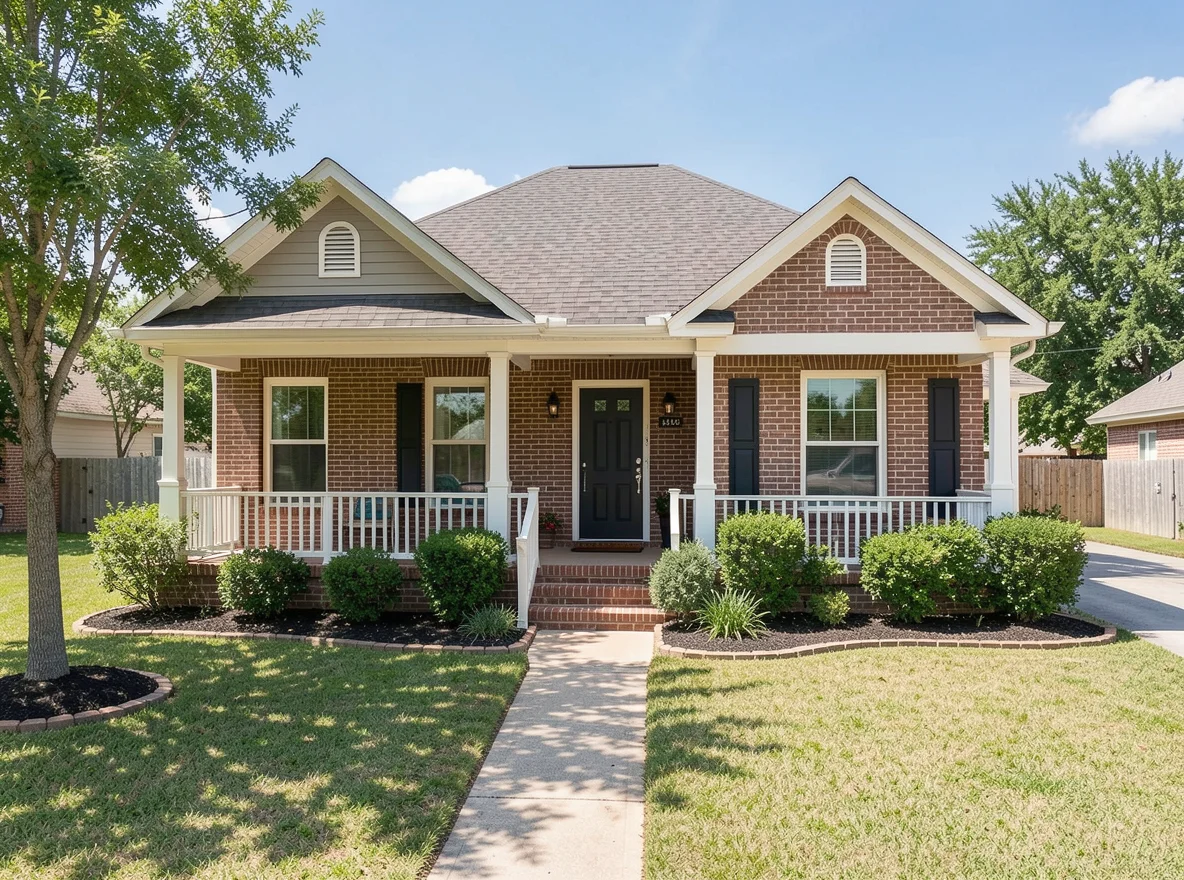
Begin with a walk around the property. Look for damaged roofing materials, peeling exterior paint, drainage that directs water toward the foundation, and signs of moisture around windows or plumbing. Inside, check whether doors and windows operate properly and note rooms that feel noticeably warmer or more humid than the rest of the house.
Some concerns are easy to spot; others deserve a professional assessment. A qualified inspector or appropriate specialist can help identify the source of a problem before you commit to a repair. If you are buying, review inspection findings alongside the seller’s disclosures and obtain estimates during the applicable contract period.
For sellers, maintenance records can help tell the story of a home that has been cared for. Keep invoices, warranties, and details of major replacements together, and share relevant information with your agent. Documentation does not replace an inspection, but it can help answer questions when a buyer reviews the property.
A cosmetic refresh has more impact when buyers are not distracted by visible leaks, damaged trim, or unfinished repairs.
Make Cooling and Moisture Control Priorities
Comfort in the Mathis area depends in part on how well a home manages heat and humidity. Start with routine HVAC service, clean filters, and a check of accessible ductwork. If equipment is nearing the end of its useful life, ask a qualified contractor to evaluate repair and replacement options rather than choosing a system on price alone.
Air sealing and insulation can also be worth investigating. Gaps around doors, attic access points, and other openings may let conditioned air escape. An energy assessment can help identify the most useful improvements for the specific house, whether that means sealing leaks, adding insulation, or addressing ductwork before replacing equipment.
Moisture deserves equal attention. Exhaust fans that vent outdoors, properly maintained plumbing, and prompt attention to leaks can help protect finishes and improve indoor comfort. Ask a professional about persistent dampness or musty odors instead of covering them with paint or fragrance.
When comparing estimates, consider equipment efficiency, installation quality, warranties, and expected maintenance. Savings and resale impact vary by home and usage, so request a written explanation of any projected benefit. Also check whether a proposed project requires a permit or inspection before work begins.
Refresh Kitchens and Bathrooms With Purpose
Kitchens and bathrooms get frequent use, which makes practical improvements easy to appreciate. A full remodel is not always necessary: sound cabinets may benefit from updated hardware or a professional finish, while a worn faucet, tired lighting, or damaged countertop may be a more targeted place to spend.
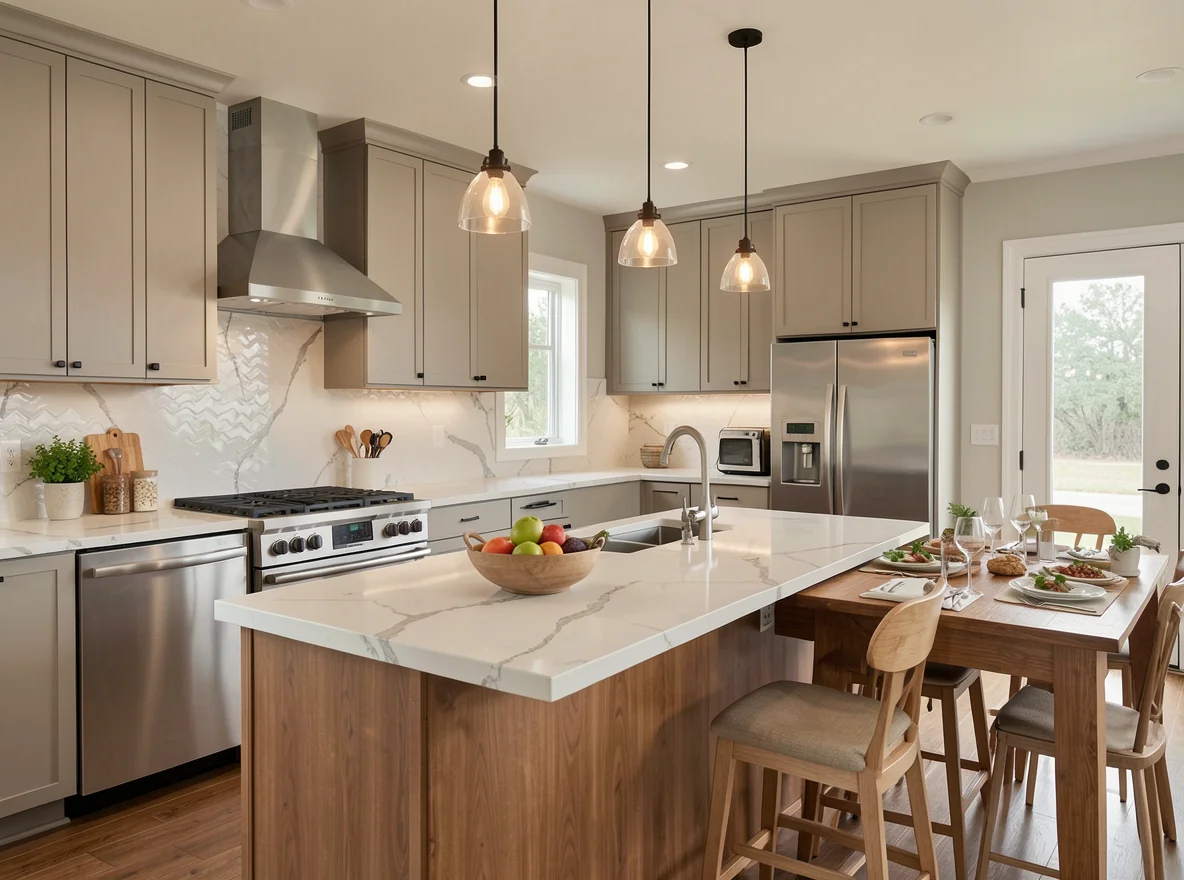
Choose materials for how they will actually be used. Durable, easy-to-clean surfaces and reliable fixtures can make daily routines easier without committing the entire budget to decorative details. In a bathroom, repair loose tile, address grout or caulking problems, and verify that ventilation works before investing in a new vanity.
Keep the scope proportional to the property and your plans. Moving plumbing or changing a layout can add complexity, so get detailed bids that separate labor, materials, and possible additional work. If selling is near, ask an agent how comparable local homes are presented before undertaking a major renovation.
Buyers can use the same approach when evaluating a home that needs updates. Separate immediate functional concerns from changes that can wait, and price the work with contractor estimates rather than relying on an attractive listing photo or a rough online guess.
Before replacing an entire kitchen, compare the cost of a focused refresh with the cost of correcting any underlying plumbing, moisture, or electrical issues.
Give the Exterior Attention, Too
A tidy exterior introduces the home before anyone reaches the front door. Trim overgrown vegetation, clean walkways, repair damaged steps, and consider fresh paint where surfaces need protection. Shade, such as an appropriately maintained porch covering or established landscaping, can also make outdoor areas more comfortable during hot weather.
Choose improvements that fit the property rather than adding features solely because they are fashionable. A functional patio, exterior lighting, or a simple place to sit may be more useful than a costly project that takes up most of the yard. Check drainage and maintenance needs before installing hardscaping or adding plants close to the house.
For larger exterior work, discuss materials and installation requirements with a qualified contractor. Review your insurance coverage and ask your insurer about any questions related to wind, water, or other property risks; coverage and requirements depend on the policy and the home. Keep receipts and permit records with your other home documents.
Build a Budget Around Your Next Move
Organize projects into three groups: urgent repairs, improvements that support daily comfort, and optional updates. Get more than one written estimate for substantial work when practical, and set aside a contingency for conditions discovered after the project starts. Compare bids carefully so that differences in materials, cleanup, permits, and warranty terms are clear.
Return on investment is not guaranteed. A project’s value depends on its cost, quality, the home’s condition, and what buyers are looking for when the property is listed. Enjoyment matters, too: an upgrade that makes a home more comfortable for years may be worthwhile even if its full cost is not recovered at sale.
Before committing to a large project, look at current Mathis listings for context on layouts, finishes, and asking prices. Listings are not the same as completed sales, but they can help you see what buyers may be comparing.
Whether you are preparing to sell or planning improvements after a purchase, a local conversation can help you put your choices in context. Corpus Christi Realty Group can discuss your goals and help you think through the next steps for your property.