

Pricing a home in Alice is not about choosing the highest number that sounds appealing; it is about positioning the property where current buyers can recognize its value. A thoughtful price blends recent local sales, your home’s condition, active competition, and the first weeks of market attention. With the right preparation, sellers can enter the market with a clear strategy rather than relying on guesswork.
Start With the Market You Are Entering
Before settling on a list price, take a close look at the market conditions affecting Alice, Texas. Real estate is local by nature, and even broad headlines about mortgage rates or statewide inventory do not tell the full story of what is happening on nearby streets. The most useful question is simple: what are buyers seeing today when they search for homes with similar size, condition, and features?

Active listings are your immediate competition. They show buyers the choices available right now and help establish the price range in which your property will be evaluated. Look beyond list prices, since asking prices can reflect a seller’s hope rather than the market’s response. Pay attention to how long comparable homes have been available, whether they have reduced their prices, and how their presentation compares with yours.
Recently sold properties provide a different, equally important piece of the picture. A closed sale documents a price a buyer and seller agreed upon, usually after an appraisal and financing review when those apply. The strongest comparable sales are nearby homes with a similar property type, bedroom and bathroom count, lot size, age, usable square footage, and overall level of updates. A sale from many months ago may still offer context, but it should be weighed against more recent activity.
The first two to three weeks after a listing goes live often provide the clearest feedback on price. Strong viewing activity with limited interest in offers can signal that the home’s value is not being communicated clearly through price, condition, or marketing.
Seasonality can also influence timing, although there is no single “best” month for every sale. New listings, buyer activity, school calendars, weather, and employment changes can all affect the pace of the market. A pricing conversation should focus on current supply and demand instead of relying only on a familiar rule of thumb or a neighbor’s result from a different year.
Build a Useful Comparison, Not a Quick Estimate
A comparative market analysis is more than a list of nearby homes. It is a structured way to identify meaningful differences between your property and the properties buyers may consider alongside it. The goal is not to find a perfect match—there rarely is one—but to assemble enough relevant information to form a well-supported range.
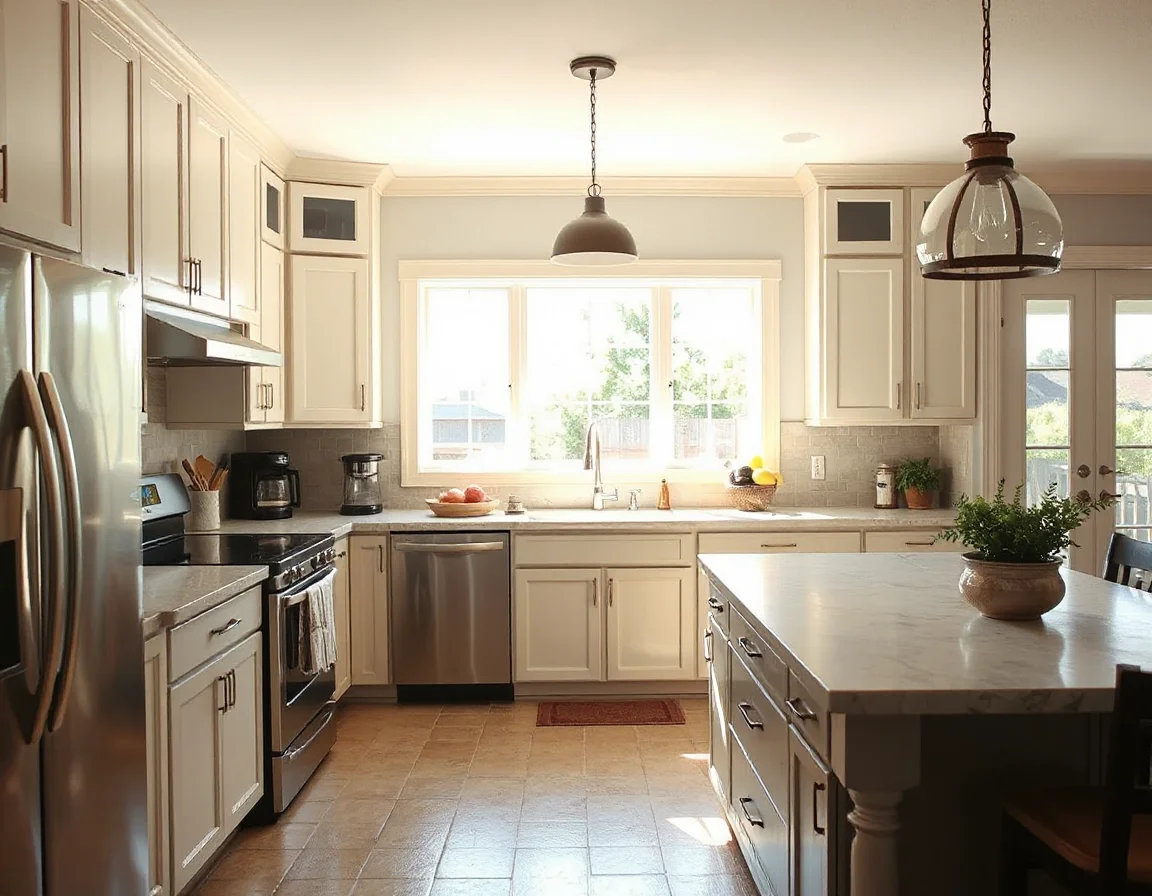
Start by separating the features that affect value from those that are simply personal preferences. Square footage, functional layout, bedroom and bathroom count, lot characteristics, garage space, roof age, major systems, and visible maintenance all deserve attention. Updates to kitchens and bathrooms may influence buyer perception, but their value depends on quality, style, condition, and how they compare with other available homes.
It also helps to evaluate the property as a buyer would during a tour. Does the entry make a strong first impression? Are rooms bright and easy to understand? Is there deferred maintenance that might distract from the home’s best features? Sellers do not always need a major renovation before listing, but small repairs, fresh paint where needed, landscaping cleanup, and careful preparation can reduce avoidable objections.
A price adjustment for differences should be thoughtful rather than automatic. For example, an extra bedroom, a larger lot, or a renovated kitchen may matter, but it does not necessarily add the full cost of construction or remodeling to the sale price. Market evidence—not renovation receipts alone—helps reveal what buyers are currently willing to pay for those features.
Talk with Corpus Christi Realty Group about your Alice pricing strategy
Online valuation tools can be a useful starting point, but they are estimates built from available data and cannot walk through the home, assess upkeep, or compare the feel of competing listings. Use those numbers as one input, then verify them against recent local sales and a property-specific review. A strong list price should be explainable in a way that makes sense to both sellers and prospective buyers.
Choose a Price That Supports the Launch
Listing day matters because it is often when a property receives its broadest initial exposure. Buyers who have been monitoring new opportunities may notice a fresh listing quickly, especially when photos, details, and price align. Setting a price far above the most relevant market range can make it harder to gain traction at the moment interest is highest.
That does not mean every home should be priced at the lowest end of a range. A property with standout condition, thoughtful updates, a desirable layout, or limited direct competition may support a stronger position. The key is to distinguish between a premium supported by evidence and a number chosen to leave room for negotiation. Buyers can compare listings quickly, and a pricing strategy should account for that transparency.

Consider the price bands buyers may use in their searches as well. A home listed just over a common search threshold may not appear for people whose search criteria ends below that amount. This does not require chasing a round number at all costs, but it is one practical reason to review how the home will appear in online results before finalizing the list price.
Once the listing is live, agree in advance on how feedback will be reviewed. Showing comments, online engagement, repeat visits, comparable homes that go pending, and newly listed competition can all inform the next step. Feedback should be interpreted carefully: one opinion may be subjective, while a consistent pattern from multiple visitors deserves attention.
A well-timed adjustment can be more effective than a series of small reductions. When market response shows that a change is needed, a clear move into a more competitive range can renew attention from buyers who previously passed over the listing.
Price is only one part of the launch. Professional photography, accurate property details, clean and accessible spaces, and a plan for showing availability help buyers understand the home’s value. When these elements work together, the listing can make a stronger and more credible first impression.
Keep the Goal in Focus
The right price is ultimately the one that reflects your property’s position in the current Alice market while supporting your timeline and next steps. Some sellers prioritize a faster transition, while others have flexibility to test a carefully supported range. Discussing those goals early helps shape a strategy that is practical, transparent, and responsive to changing conditions.
Before listing, gather records for major repairs and improvements, review the home through a buyer’s eyes, and ask for a clear explanation of the comparable sales being used. A confident pricing decision does not come from picking a number in isolation. It comes from understanding the evidence, preparing the property well, and staying ready to respond to real market feedback.