
Buying a first home in Bishop is easier to navigate when you turn the process into a series of clear decisions: understand your budget, compare properties thoughtfully, inspect carefully, and plan for closing costs. This guide outlines the practical steps that can help you move from browsing listings to receiving the keys with confidence.
Start With a Realistic Bishop Home-Buying Budget
Buying a home is exciting, but the strongest first step is usually a quiet one: reviewing the numbers before falling in love with a particular property. In Bishop, buyers may encounter a mix of established in-town homes, properties with larger lots, newer construction, and homes that reflect the practical needs of high-desert living. Each can carry different ongoing costs, so a monthly payment estimate should be only the beginning of the conversation.
Begin by looking at your income, recurring expenses, savings, and the amount you want to keep available after closing. A lender can help estimate borrowing capacity, but your personal comfort level matters just as much. Consider principal and interest, property taxes, homeowners insurance, mortgage insurance when applicable, and any homeowners association fees. For a property with acreage or specialized systems, add room in your planning for maintenance, utilities, and insurance questions that may be specific to the home.
It is also useful to separate the down payment from closing costs. Closing costs can include lender fees, appraisal charges, title-related services, prepaid items, and other transaction expenses. Your lender and real estate professional can provide estimates early, allowing you to compare loan options with a more complete picture of cash needed to close.
A pre-approval is more useful than a quick online estimate because it gives you a documented price range and helps identify loan questions before an offer deadline is in front of you.
Once you have a working range, choose a target payment that leaves room for everyday goals and the unexpected repairs that come with ownership. A home budget should support the life you want to build, not simply reach the highest possible purchase price.
Get Pre-Approved and Define Your Priorities
Pre-approval brings structure to the search. After reviewing documentation such as income, assets, debts, and credit history, a lender can issue a letter showing that you have been evaluated for financing up to a certain amount. This is not the same as final loan approval, but it can make your offer more credible and help you move efficiently when the right property appears.
Before touring homes, create two lists: features that are essential and features that are flexible. Essentials might include a preferred number of bedrooms, a workable commute, parking, lot size, accessibility needs, storage, or a maximum monthly payment. Flexible features may include paint colors, landscaping style, appliance finishes, or a room that could be updated over time.
For Bishop buyers, it can be especially helpful to think beyond the interior floor plan. Ask how you expect to use outdoor space, whether you need room for recreational equipment, and how much upkeep you are prepared to take on. Pay attention to sun exposure, mature trees, driveway layout, fencing, drainage, and the condition of exterior materials. These details can influence both day-to-day enjoyment and future maintenance planning.
Tour Homes With a Careful, Consistent Eye
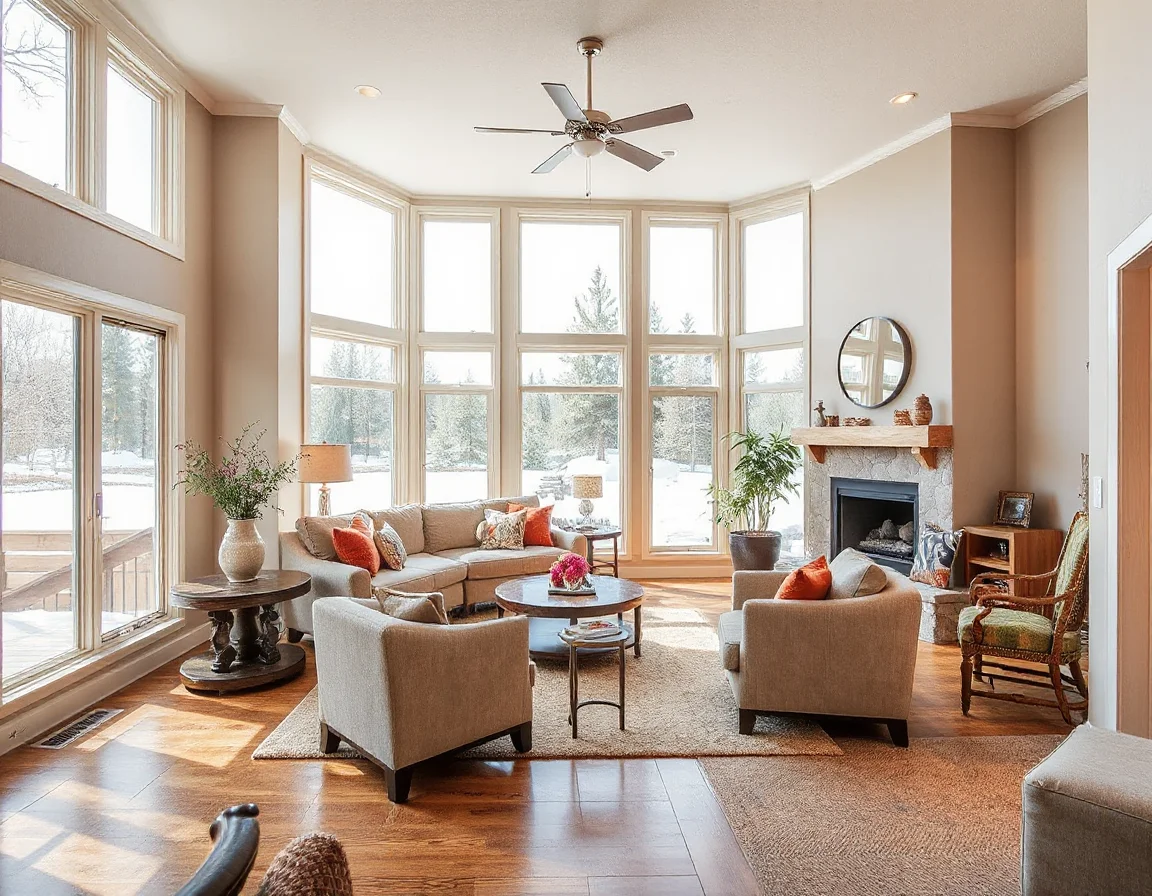
A showing is the time to observe rather than rush. Bring your priorities list, take notes, and compare each property against the same criteria. It is easy to remember the most dramatic feature in a home; notes help you remember the practical details, too. Consider room sizes, storage, natural light, the flow between living areas, and whether the layout supports how you plan to use the space.
During the visit, look closely at the features that are difficult or costly to change. That includes the roof, foundation appearance, windows, heating and cooling equipment, electrical panel, plumbing fixtures, and signs of moisture. If the property has a well, septic system, solar equipment, propane service, or other specialized components, ask early what is included and what records may be available. A home can have plenty of potential while still requiring a realistic plan for repairs or upgrades.
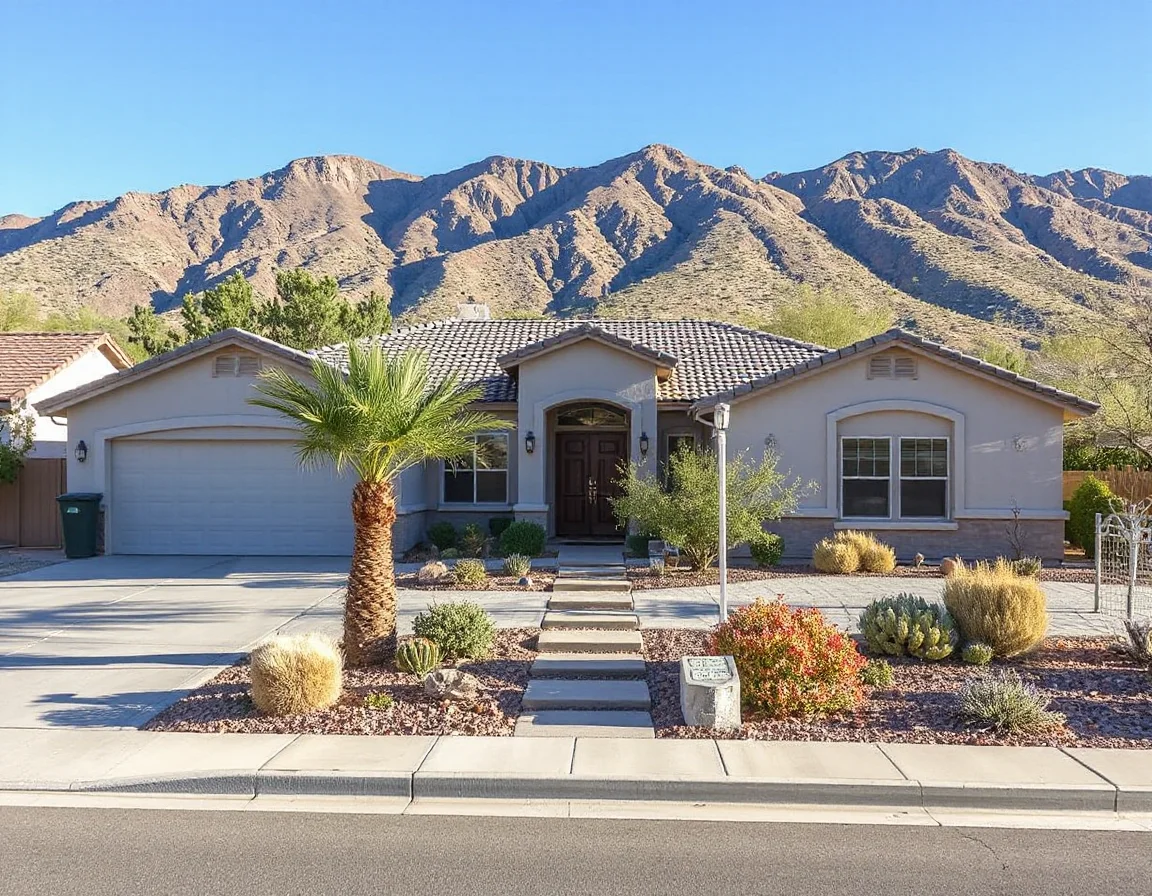
Location deserves the same careful review. Explore the route at different times of day when possible, check proximity to the places you use regularly, and notice nearby public amenities, road conditions, terrain, and views. Bishop’s connection to the Eastern Sierra makes outdoor access and mountain scenery part of the appeal for many people, but the best choice is the property that fits your own routines, budget, and long-term goals.
Try not to judge a home solely by staging or cosmetic details. Fresh paint can be completed later; a well-suited layout, a manageable site, and sound underlying systems are often more meaningful factors in a purchase decision.
Write a Thoughtful Offer and Protect Your Due Diligence
When you are ready to make an offer, your real estate professional can help you evaluate recent comparable sales, current competition, property condition, and the terms that may strengthen your position. Price is important, but it is not the only part of an offer. Closing timing, financing terms, requested credits, deposits, and contingencies all shape the seller’s review.
Contingencies are periods or conditions that give buyers an opportunity to complete important investigations. Depending on the agreement and local practice, these can include inspection, appraisal, financing, and review of disclosures. They are valuable because they create a framework for gathering information before your purchase is final. Deadlines matter, so keep a shared calendar with your agent and lender once your offer is accepted.
Hire qualified inspectors and read their reports closely. An inspection is not a pass-or-fail scorecard; it is an assessment of observed conditions and maintenance considerations. Use the findings to understand the property, discuss material concerns, and decide how to proceed under the terms of your contract. Your agent can help you organize questions for the seller, lender, inspectors, and escrow team without losing sight of the agreed timeline.
The inspection period is a decision-making window, not just a checklist. Focus on condition items that affect function, safety, longevity, or your planned budget for the first years of ownership.
Prepare for Closing and the First Weeks of Ownership
As closing approaches, your lender will finalize underwriting, arrange the appraisal, and provide required loan disclosures. Review these documents carefully and ask for clarification whenever a figure or term is unfamiliar. You will also schedule a final walkthrough, typically shortly before closing, to confirm that the property is in the expected condition and that agreed items remain in place.
Plan ahead for the practical transition. Arrange insurance, confirm utility transfer procedures, save copies of warranties and inspection reports, and set aside funds for immediate priorities after closing. Even a well-maintained home may need small adjustments once you begin living there, from changing locks and locating shutoff valves to updating filters and establishing a seasonal maintenance routine.
Buying your first home in Bishop does not require knowing every answer on day one. It requires a clear budget, reliable guidance, careful observation, and enough time to make informed choices. With those pieces in place, you can approach the process with steady expectations and a stronger sense of what will make a property feel like the right next step.