Coastal living in Port Aransas brings salt air, strong sun, wind-driven rain, and occasional storm conditions into the home-maintenance conversation. Thoughtful upgrades can help protect major systems, reduce routine upkeep, and make it easier to evaluate a property’s condition when it is time to buy or sell.
Start With the Exterior Envelope
In Port Aransas, Texas, a home’s exterior does more than create curb appeal: it is the first line of defense against coastal weather. Salt carried on the breeze can settle on metal surfaces, intense ultraviolet exposure can shorten the life of finishes, and heavy rain can find small gaps around openings. A practical upgrade plan begins by looking at the full exterior envelope—roof, siding, trim, windows, doors, decks, and the connections between them.
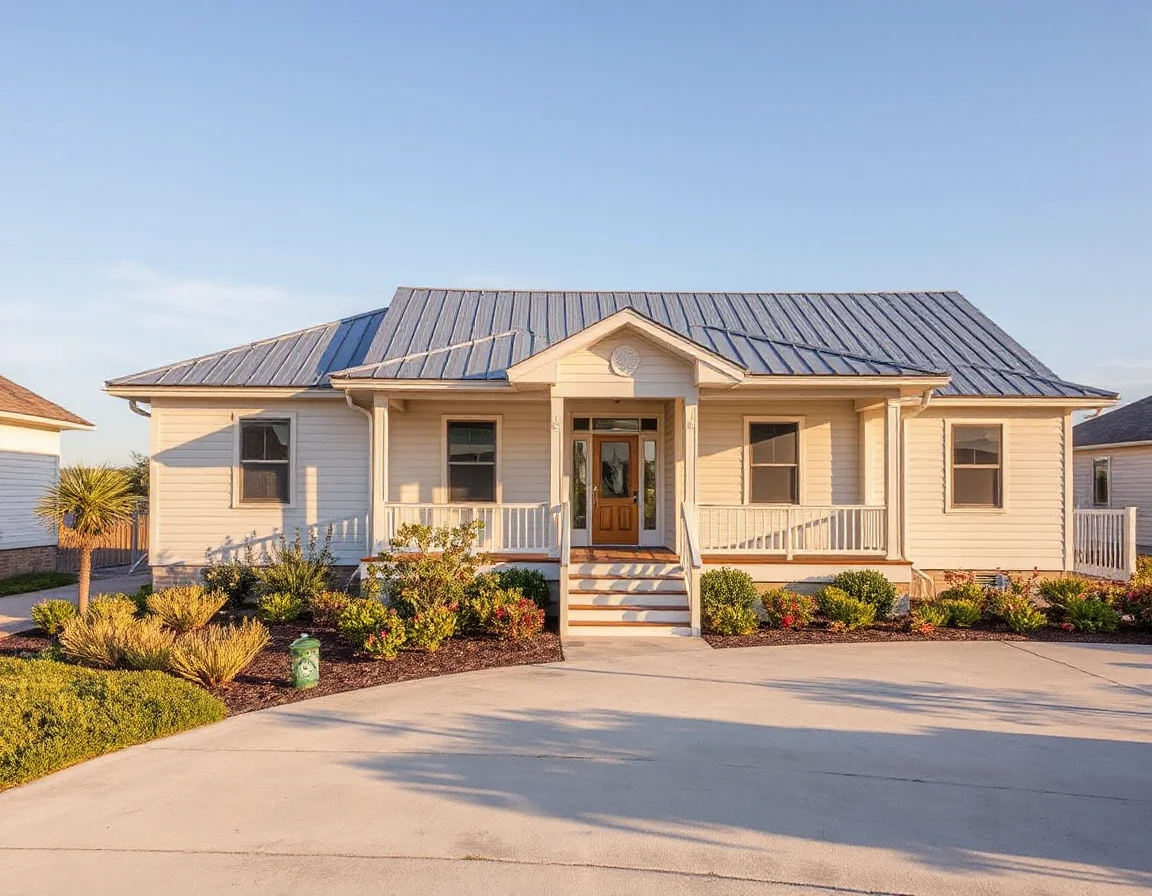
Roofing deserves early attention. A roof in a coastal setting is exposed to sun, gusts, and moisture throughout the year. When replacement is due, property owners can discuss wind-rated materials, properly specified underlayment, corrosion-resistant fasteners, and flashing details suited to the structure. Metal roofing is common on the coast because it can offer long service life when correctly installed, though the best choice depends on roof geometry, budget, neighborhood requirements, and the home’s engineering.
Windows and exterior doors are another high-value focus. Impact-rated or wind-rated assemblies may be worth considering where appropriate, but performance is not only about the glass. Correct installation, durable sealants, sound flashing, and periodically inspected weatherstripping all matter. For an existing home, replacing worn sweeps and gaskets, repairing damaged trim, and maintaining caulk joints can be a sensible way to address small vulnerabilities before they become water-intrusion issues.
A small crack in exterior sealant can become more significant after repeated wind-driven rain. Add window surrounds, door thresholds, roof penetrations, and deck attachments to a regular inspection checklist.
Siding and trim materials should also be selected with maintenance in mind. Fiber-cement products, well-finished engineered materials, masonry elements, and properly detailed wood can all have a place, but each needs the right installation and care schedule. The key is creating a drainage path behind cladding, keeping painted surfaces maintained, and avoiding details that trap standing water. Clearances between soil, mulch, decking, and wall materials help limit moisture exposure at the base of the home.
Choose Hardware and Outdoor Features Built for Salt Air
Many coastal maintenance headaches begin with small components rather than large building systems. Hinges, rail connectors, exterior light fixtures, gate latches, hose bibs, screws, and fasteners can all show corrosion before more visible parts of the property do. Upgrading these elements during a repair project is often easier than waiting for a failure.
Look for marine-grade, stainless, hot-dip galvanized, or otherwise corrosion-resistant hardware compatible with the surrounding materials. Mixing dissimilar metals can create accelerated corrosion in some conditions, so it is useful to ask a qualified contractor how fasteners, brackets, rail systems, and flashing will work together. The same detail-oriented approach applies to exterior HVAC equipment, where a protective finish, proper elevation, clear drainage, and regular service can support long-term performance.
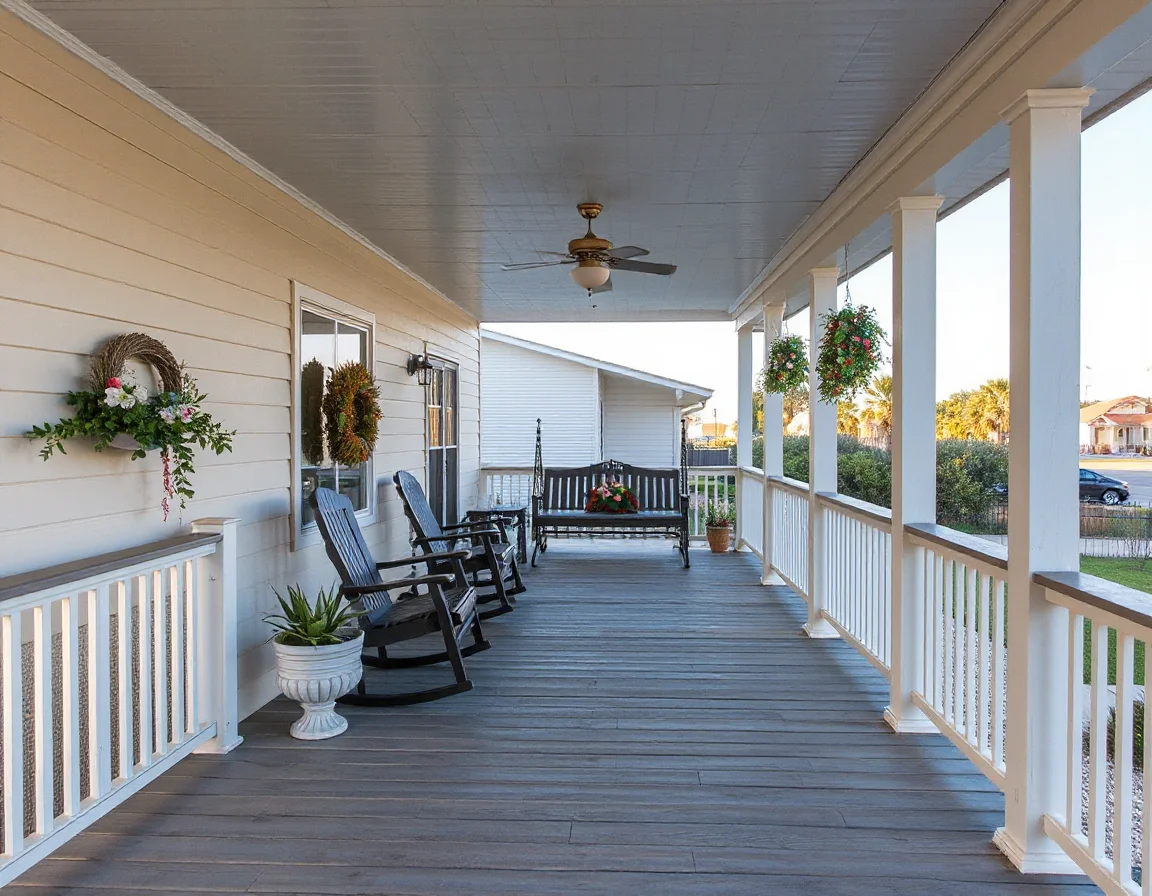
Decks, stairs, and porches need special consideration because they are continuously exposed to sun, sand, rain, and humid air. Composite decking can reduce the repainting or staining cycle associated with some wood surfaces, while pressure-treated lumber and hardwood options may perform well when specified, installed, and maintained correctly. More important than any single material is the structural connection: ledger flashing, bolts, joist hangers, guardrails, and posts should be reviewed for corrosion and secure attachment.
Outdoor showers, rinse stations, and strategically placed hose connections can make day-to-day cleanup easier after beach visits or yard work. A quick rinse of salt residue from railings, exterior furniture, windows, and mechanical equipment can help preserve finishes. Landscaping also plays a role. Native or salt-tolerant plantings, permeable ground cover, and grading that moves water away from the foundation can support a lower-maintenance exterior without sacrificing the relaxed coastal setting.
For elevated homes, keep the area below the structure visible and accessible for inspections. Drainage, mechanical components, fasteners, and structural supports are easier to maintain when they are not concealed by stored materials or dense vegetation.
Improve Moisture Management Inside the Home
Coastal protection is not limited to what can be seen from the street. Indoor humidity management helps preserve flooring, cabinetry, paint, furnishings, and mechanical systems. A properly sized HVAC system, clean filters, maintained condensate drains, and dependable bathroom and kitchen ventilation are practical essentials. In some homes, a dedicated dehumidifier or smart humidity monitor can provide useful information during periods when the property is vacant.
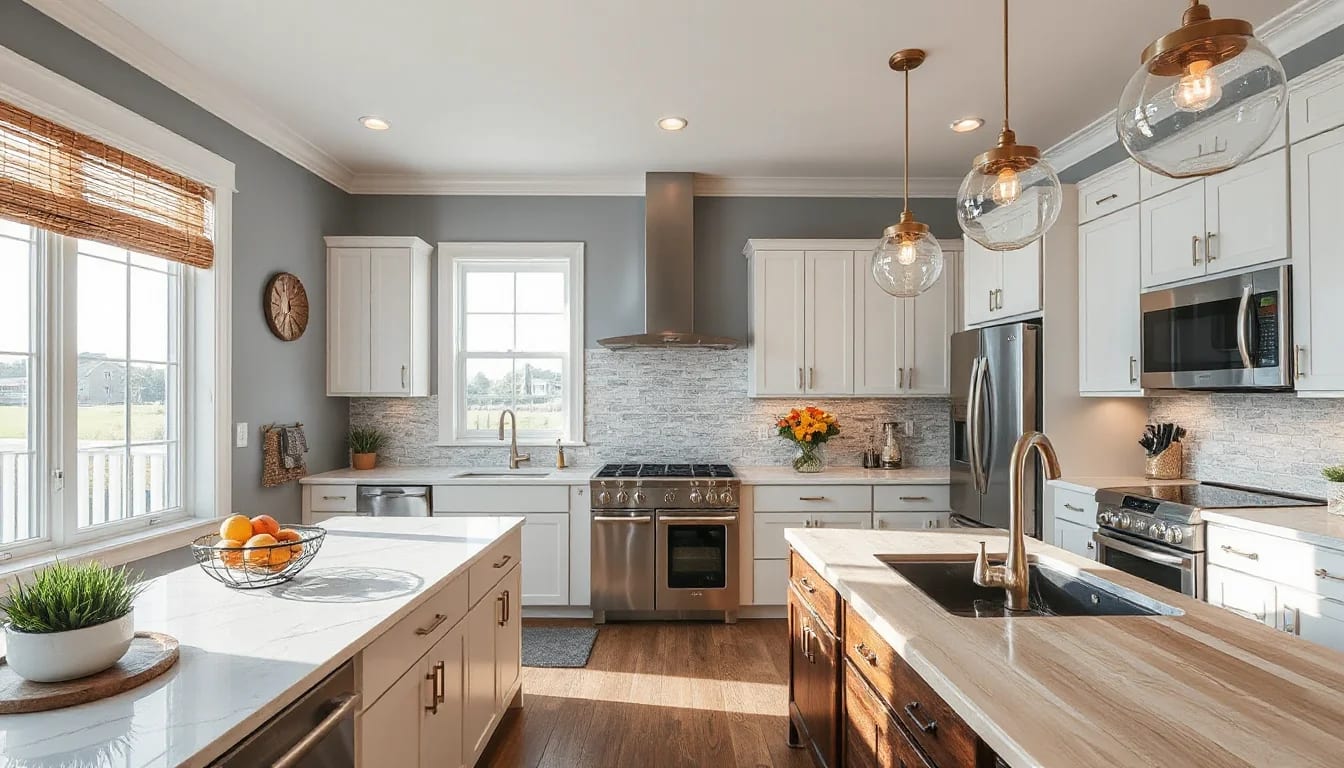
When remodeling kitchens and baths, consider water-resistant finishes around wet areas, high-quality exhaust fans vented to the exterior, and easy access to plumbing shutoffs. Under-sink leak sensors and automatic shutoff systems are also worth exploring for properties that may be unoccupied at times. These upgrades do not replace regular checks, but they can provide added awareness if a small leak begins.
Flooring selections should match the way the home is used. Tile, luxury vinyl, sealed concrete, and certain engineered flooring products can be practical options for entry areas and rooms that see frequent sand or moisture. If wood flooring is preferred, maintain stable indoor humidity and use entry mats to reduce abrasion. The goal is not to eliminate every sign of coastal life; it is to choose finishes that can be cleaned, repaired, and enjoyed with confidence.
Plan for Storm Readiness and Routine Care
Storm preparation is most effective when it is completed long before a forecast demands attention. Depending on the property, upgrades may include reinforced garage doors, appropriately rated shutters or protective panels, roof tie-down improvements, secured outdoor storage, and a documented plan for patio furniture and equipment. Requirements and recommendations vary by location, building age, elevation, and construction type, so consult qualified local professionals and review current codes before beginning a major project.
Maintenance records can be just as valuable as the improvements themselves. Keep invoices, product warranties, photographs, inspection notes, paint colors, roof documents, and service dates in one accessible file. For a future buyer, clear documentation can explain when a roof was installed, how a deck was updated, or what maintenance has been completed. For an owner, it turns seasonal care into a manageable checklist rather than a guessing game.
Whether you are evaluating a beach house, a condominium, or a year-round residence, focus on visible condition, maintenance history, and the systems that matter most for coastal durability. A professional inspection can help identify questions to explore, while a local real estate professional can help put improvements in context with current Port Aransas inventory and buyer expectations.
Protect the Home While Preserving the Coastal Experience
The best coastal upgrades balance resilience with everyday usability. Durable materials, careful water management, corrosion-resistant details, and a consistent maintenance routine can help a property weather the elements while keeping its character intact. Start with the most exposed systems, make improvements in a logical order, and document the work along the way. That approach supports both long-term ownership and a clearer story when the home eventually enters the market.