
A home inspection is one of the most useful line items in a Padre Island purchase budget: it can turn a promising showing into a clearer picture of maintenance, repair priorities, and future planning. Build room for a general inspection, specialized coastal evaluations when appropriate, and a small reserve for follow-up questions before the option period ends.
Why Inspection Planning Matters on Padre Island
Buying near the water brings a distinctive mix of practical questions. A property may offer memorable Gulf breezes, canal views, elevated construction, or quick access to outdoor recreation, but it also benefits from a careful look at the systems that keep it functioning in a coastal environment. Budgeting for an inspection early helps buyers make decisions with more information rather than treating the inspection as an afterthought once a contract is underway.
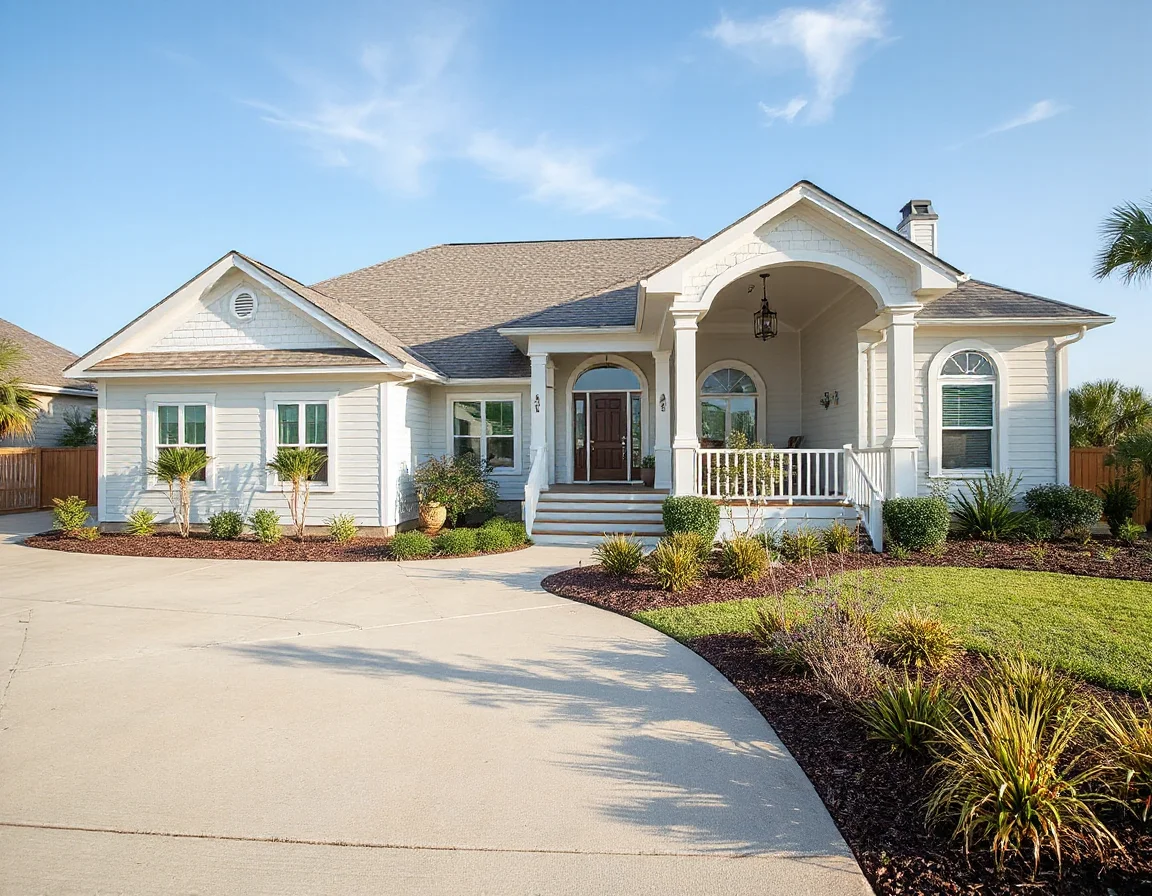
A standard home inspection is typically the starting point. The inspector generally reviews visible and accessible components such as the roof, foundation or structural elements, exterior surfaces, electrical panel, plumbing fixtures, HVAC equipment, attic areas, appliances, doors, windows, and interior finishes. The resulting report is not a warranty or a prediction that every component will last a certain number of years. It is, however, a valuable snapshot of observable conditions on the day of the inspection.
For a typical home or condominium, buyers often see general inspection fees in the several-hundred-dollar range, with price influenced by square footage, property type, age, accessibility, and the inspector’s scope of work. Larger homes, multi-level layouts, detached structures, or properties with pools and docks can increase the total. Request the fee in writing and ask what is included before scheduling; that simple step makes it easier to compare services rather than comparing a single number.
On Padre Island, the inspection budget may deserve a little extra flexibility because salt air, wind, humidity, and storm exposure can affect exterior materials and mechanical systems over time. A thorough report can help distinguish routine coastal maintenance from an issue that merits a specialist’s opinion. It can also help buyers prioritize tasks after closing, even when no immediate repair negotiation is needed.
A useful inspection budget is more than the general inspection fee: reserve funds for one or two targeted evaluations if the report identifies a roof, HVAC, electrical, plumbing, pool, dock, or moisture concern.
Create a Practical Inspection Allowance
Instead of setting aside only the advertised cost of a basic inspection, create a short inspection allowance in your purchase worksheet. Start with the general inspection, then add a contingency for specialized testing or contractor evaluations. The right amount varies by property, but planning for follow-up helps prevent a surprise expense from becoming a rushed decision during the option period.
A buyer may choose to order additional services before or after the general inspection depending on the home’s condition and the advice of qualified professionals. Common examples include a termite or wood-destroying-insect evaluation, sewer line scope, roof assessment, HVAC review, electrical evaluation, structural engineering consultation, pool inspection, or dock and bulkhead review for applicable waterfront properties. Not every property needs every service. The goal is to match the evaluation to visible conditions, property features, and the questions raised in the primary report.
Condominiums bring another budgeting consideration. A unit inspection focuses on the unit and the items accessible to the inspector, while common areas and some exterior building components may fall under the association’s responsibility. Buyers can review association documents, financial information, rules, insurance details, and planned maintenance alongside the inspection report. Those materials can offer useful context about shared systems without replacing a professional evaluation of the individual unit.
It is also wise to separate inspection costs from repair costs. An inspector identifies conditions and documents observations; a qualified contractor or specialist may then provide repair recommendations and estimates. Keeping these categories separate helps buyers understand the immediate transaction expense while also considering the property’s likely maintenance needs after closing.
Questions Worth Asking Before You Schedule
Inspection timing matters. In Texas transactions, the contract’s option period provides a defined window for due diligence, so buyers should arrange inspections as soon as practical after the contract is effective. Popular inspectors can book quickly, particularly during active market periods, and allowing time for a follow-up evaluation can be just as important as booking the first appointment.

Before confirming an inspector, ask about licensing, experience, report delivery time, and whether the inspection includes photographs and clear maintenance recommendations. Ask whether the inspector has experience with the type of home you are considering, such as a raised coastal home, canal-front residence, condominium, or property with a pool. A good report should be understandable enough to guide questions while still recognizing when a specialist is appropriate.
Buyers should also plan to attend the final portion of the inspection when possible. This is often an efficient time to hear the inspector explain major findings, point out shutoff locations, discuss maintenance items, and clarify which concerns appear urgent versus routine. Attendance does not replace reading the report carefully, but it can make a detailed document easier to interpret.
For homes with water-adjacent features, look beyond the interior. Ask about visible signs of corrosion, exterior drainage, roof condition, window and door sealing, exposed fasteners, decking, railings, irrigation components, and any dock or bulkhead features. The inspection report may not answer every long-term question, but it can identify where additional expertise would be useful.
Schedule the general inspection early enough to leave time for estimates and document review. The most useful report is one you have time to understand and act on.
Use the Report as a Decision Tool, Not a Scorecard
Nearly every inspection report will include a list of observations. Even well-maintained homes can have aging caulk, minor drainage adjustments, service recommendations, worn weatherstripping, or components nearing the end of their typical service life. The key is to read the report in categories: health and safety concerns, active leaks or damage, major systems, items needing specialist review, and routine maintenance.
After reviewing the report, buyers can discuss strategy with their real estate professional and, when needed, obtain input from qualified contractors. Depending on the contract and the findings, the next step may be requesting repairs, seeking a credit, revising expectations, completing further due diligence, or simply preparing a post-closing maintenance plan. There is no single response that fits every property; the value lies in having reliable information before making a choice.
Budgeting thoughtfully for inspections is a practical way to protect your time and improve your confidence during a Padre Island home search. When the inspection allowance, timeline, and possible specialist reviews are part of the plan from the beginning, buyers can focus on the home’s features, location, and long-term upkeep with a clearer perspective.